

We make stickers at BunnyTagz.
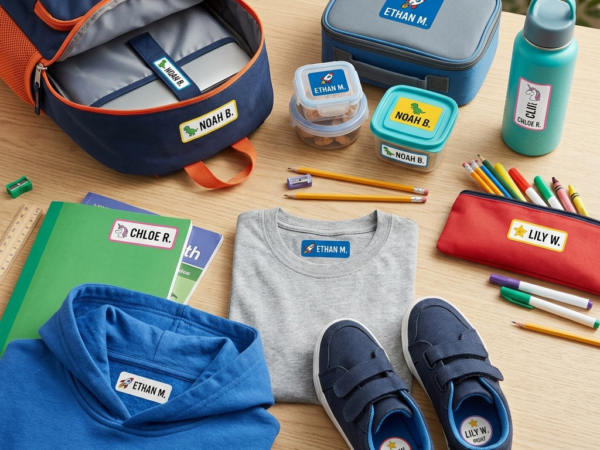
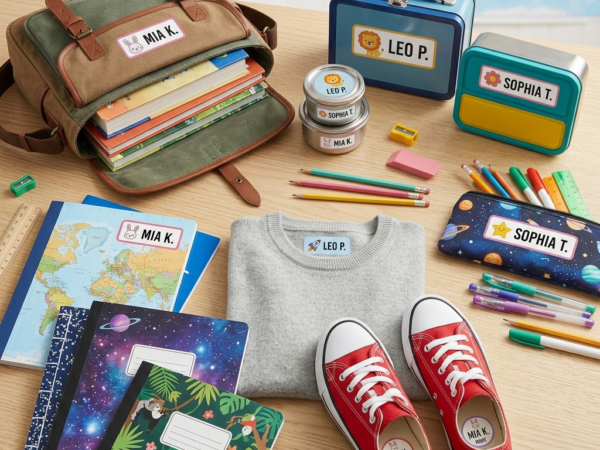
Personalized, waterproof, colorful little name stickers that go on water bottles, lunchboxes, school bags, shoes, and pretty much anything else a child carries out the door every morning. It is a simple product. A physical product. Something you peel, press, and stick — no app required, no password needed, no screen involved.
And honestly? In 2026, that simplicity feels more relevant than ever.
Because something is quietly happening in family homes across Canada right now. Parents are stepping back from the digital world — deliberately, thoughtfully, one small decision at a time. And they are reaching for real, physical, tangible things instead.
We see it in the messages we get from BunnyTagz parents every week. And we think it is one of the most genuinely positive shifts happening in parenting right now.
The Analog Comeback Is Real
Ask any group of Canadian parents, and you will hear a version of the same story. Somewhere between pandemic screen fatigue, watching their kids scroll endlessly through content they do not even seem to enjoy, and the growing guilt around device time, something clicked.
Families are making deliberate changes. Board games are back on kitchen tables. Coloring books are reappearing in bedrooms. Kids are being handed actual alarm clocks instead of phones to wake up with. Grandparents are receiving handwritten letters again. Printed photo albums are coming out of storage.
This is not nostalgia. It is not a rejection of technology for its own sake. It is a conscious, considered decision by parents who want their children also to know how to exist comfortably in the physical world — to hold something, make something, care for something they can actually touch.
Researchers and parenting experts have begun calling this the “analog comeback.” And families across Canada are not waiting for official guidance to embrace it. They are already living it.
What Screens Are Quietly Taking Away
We are not anti-technology at BunnyTagz. Smartphones and tablets are part of the world our children are growing into, and pretending otherwise helps nobody.
But there is a real difference between technology as a tool and technology as an automatic default.
When a child reaches for a screen the moment boredom arrives, they are not using technology — they are using it to escape the discomfort of stillness. And that discomfort is actually where some of the most valuable childhood development happens. Imagination, creativity, patience, the ability to entertain themselves — these qualities grow in the quiet gaps. In the unplanned moments. In boredom.
Screens fill those gaps immediately and completely. And when children never sit inside those gaps long enough, they miss the chance to discover what naturally lives there.
There is also the focus question. Parents are observing — and research is beginning to support — that children with heavy screen habits find it harder to sustain attention on tasks that do not deliver instant rewards. Drawing, reading, building, organizing their own school bag — all of these require a patient, sustained kind of focus that screens are steadily training out of children.
This is not a reason to panic. It is a reason to be intentional.
What Going Analog Looks Like in Real Family Life
Here is what we have learned from talking to BunnyTagz’s parents — the analog comeback does not look dramatic or extreme. It does not mean banning devices or disconnecting from the internet entirely. It looks like small, consistent, physical choices made day after day.
It looks like a puzzle that stays out on the table all week. A pile of library books beside the bed instead of a glowing tablet. A child carefully writing their own name on a birthday card before they ever type it anywhere.
It also looks like children have genuine ownership of real, physical things in their daily lives.
This is exactly where our stickers come in — not in a grand or complicated way, but in a quietly meaningful one.
When a child has a water bottle with their name sticker, a lunchbox they can spot instantly across a crowded classroom, and shoes with their name inside so they can sort their own things at the end of the day — something genuinely shifts in how they relate to their belongings. They stop waiting for an adult to find their things for them. They start taking responsibility.
A BunnyTagz sticker is a physical, visible, personal marker that says, “This is mine, and I know where it is.” That is a small thing. But for a young child learning to navigate the world, small things carry enormous weight.
We hear from parents regularly that their child noticed the sticker on their bottle, felt proud enough to point it out to classmates, became more careful about bringing things home, and started packing their own bag without being asked. A personalized name sticker does more than prevent lost property. It gives a child a tangible, physical connection to their own stuff — and through that, to the physical world itself.
That is analog thinking in the most practical, everyday form. Visible. Touchable. Theirs.
Habits That Are Actually Working for Canadian Families
Based on what the parents in our community share with us, here are the habits making the biggest difference in real family life right now.
Bring physical books back to bedtime. Not audiobooks streamed from a device. Real books with pages that turn and covers that get worn from being read too many times. The bedtime ritual itself matters just as much as the story inside.
Let children own their physical school things. Give them a lunchbox they chose themselves. Let them pack their own bag. Give them a water bottle they are responsible for — the one with their name sticker on it, so there is no confusion about whose it is and no excuse for leaving it behind.
Put their name on everything they carry. At BunnyTagz, this is our whole world — and the reason it matters goes far beyond lost property. When a child sees their name on their sticker, bottle, lunchbox, or shoes, they understand that those things belong to them and are their responsibility to look after. It is one of the earliest, most concrete lessons a young child can learn about ownership and accountability.
Protect some spaces from screens. Not as a tense household rule, but as a natural, relaxed boundary. The dinner table. The car ride to school. The thirty minutes before bed. These phone-free pockets of time quietly become the moments families remember and talk about most.
Let boredom happen sometimes. This is the hardest one, especially when a solution is one tap away. But the things that come out of a bored child — the games they invent, the questions they suddenly ask, the things they draw or build or imagine — are genuinely worth protecting.
We Are For Real Life
At BunnyTagz, we make stickers. Bright, cheerful, waterproof, personalized name stickers for the everyday things children carry — their bottles, lunchboxes, bags, shoes, and pencil cases.
It is a simple, physical product. There is nothing digital about it. You peel it. You stick it. Your child sees their name on their things and feels that quiet, proud sense of, ‘This is mine.’
We have always believed that the small physical things in a child’s daily life matter more than they are given credit for. The lunchbox they can identify in two seconds. The water bottle that actually comes home because the name is right there on the side. The school bag they take responsibility for because they recognize it as theirs.
These are not complicated things. They are not connected to Wi-Fi or powered by a battery. They are real — and in a world where so much of childhood is moving onto screens, we think real matters more than ever.
The analog comeback is not about rejecting the modern world. It is about making sure our children also feel confident, capable, and grounded in the physical world.
And sometimes, that starts with something as small as a sticker with their name on it.

Leave a Reply